
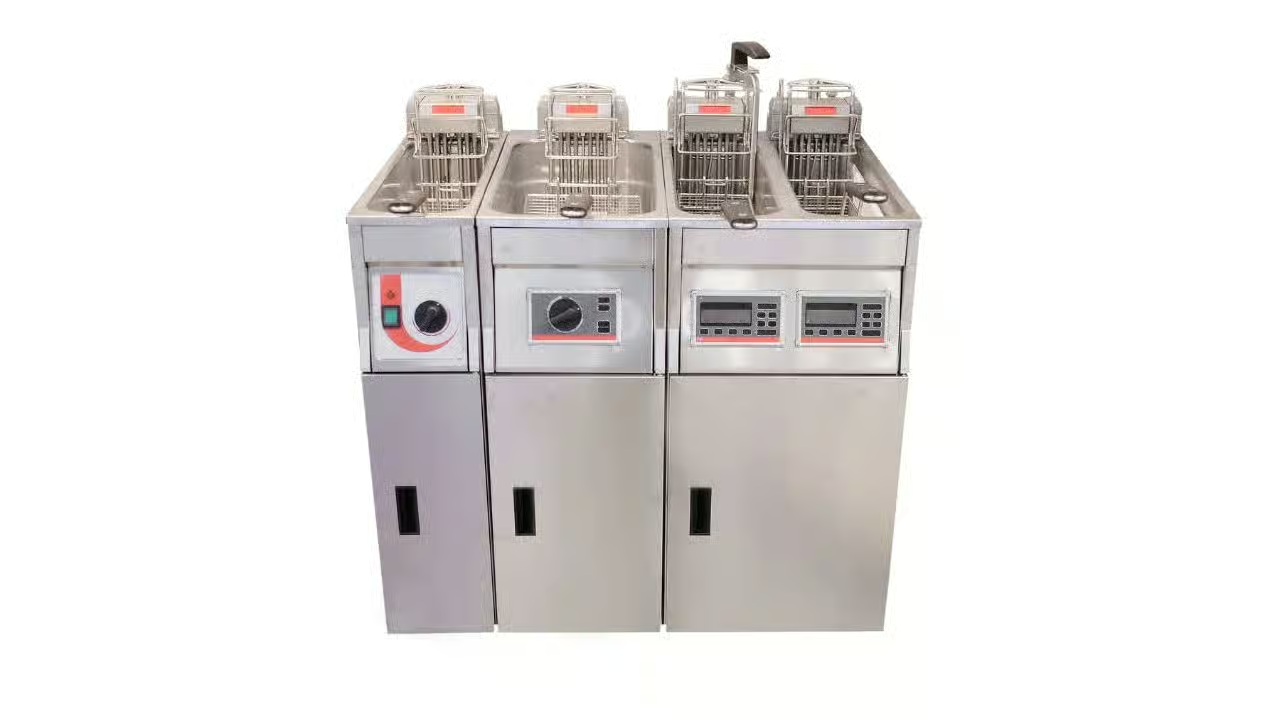

In the competitive world of the restaurant industry, maintaining profitability while ensuring high-quality food is a constant challenge. One area where many restaurants can find both cost savings and quality improvements is in their use of deep fryer oil. By implementing effective oil filtration systems, restaurants are discovering significant reductions in operational costs without compromising on taste or customer satisfaction.
Deep fryers are staples in many kitchens, from fast-food joints to upscale eateries, due to their ability to quickly cook a variety of foods with appealing textures and flavors. However, one of the primary expenses associated with deep frying is the cost of oil. Over time, as food particles accumulate and chemical reactions occur during cooking, the quality of frying oil deteriorates. This degradation not only affects the taste and appearance of fried foods but also necessitates frequent oil changes—an expensive endeavor given current commodity prices.
Effective Deep fryer oil filtration offers a solution by extending the life span of cooking oils. Filtration systems work by removing food particles and impurities that contribute to faster spoilage. These systems range from simple mesh screens to more advanced machines that use carbon filters or centrifugal force to cleanse used oil thoroughly. By keeping oils cleaner for longer periods, restaurants can reduce how often they need fresh supplies—a direct reduction in overhead costs.
Moreover, maintaining cleaner oil has positive implications for food quality as well. When oils are free from contaminants and breakdown products such as acrylamide or trans fats that form at high temperatures over time, they produce crisper coatings and better-tasting dishes overall. As consumer awareness about healthful eating grows alongside demand for delicious menu items prepared responsibly, this becomes an important factor in sustaining business success.
